____________________________________

Sunday, May 31, 2026


Roll With The Punches


By Terry Whalin @terrywhalin

Our lives are filled with changes. These events happen in our lives whether we plan for them or not. From these articles about the writing life, it’s easy to see that I’m someone who loves routine. The publishing world and other parts of our world are in constant motion and change. When you get an unexpected punch (as in the above photo), do you roll with it?

Last week I traveled to Asheville, North Carolina for The Blue Ridge Mountains Christian Writers Conference. It’s a large event and throughout the time, I had interesting conversations with people. These days I don’t travel as much as in the past. From my home in Southern California, it was a long haul to attend and involved changing planes in Chicago. On schedule I arrived and got to the conference and settled into my room.

Throughout the event, I met remarkable writers. Each one had a story which was tied to their writing. The event contained many “God moments.” Like each of these events, the final day arrived. I packed my suitcases and headed to the airport. On the way home, I was changing planes at the Dallas airport. My plane from Asheville to Dallas had a mechanical issue which delayed our arrival.  After landing as my airplane was landing and going to our gate, I would see my connecting flight in a different terminal was beginning to board. 

Several passengers on my first flight graciously let me off to hurry toward my connecting flight. I moved as rapidly as I could to reach my gate. When I arrived at my gate, the plane was still there but the airline had closed the door and no one was around to assist me. In the face of this situation, I rolled with the punches. I needed to go to the airline help desk to rebook my flight which was located several gates ahead. 

When I spoke with the help desk airline person, I learned my bags were on the flight that I missed. They booked me into a local hotel then I was on the first Saturday flight to Orange County. I found the hotel airport shuttle, registered for my room and grabbed a few hours sleep before returning to the airport. I could have been upset (a choice) but instead I rolled with it.

Writers have to face changes with flexibility. For example, in these articles, I’ve written about the price of paper for books has increased 70 to 80% since 2020. This small detail is affecting the retail price of books as well as the length of novels. During the conference, I met a number of fiction writers with manuscripts which were 90,000 to 100,000 words. Because of the increased price of paper, our preferred word length is closer to 80,000 words. Are you flexible and willing to do the editorial trimming to get your story in alignment with the expectations of the marketplace? I hope so. Your flexibility and willingness to adapt to curent market conditions is an important skill for every writer.

What actions are you taking to handle a sudden change? Let me know in the comments how you've learned to roll with the punches. 

Tweetable:


New Podcasts:

In these articles, I’ve encouraged you to use PodMatch or some similar tool to book and record podcasts. Last week another podcast recording launched: 


Dalene Bickel (@DaleneBickel) and I had an eye-opening conversation about the traditional publishing world on the Ink & Impact for Christian Writers Podcast. Listen at: https://bit.ly/43aCgPM 

As I’ve worked in the publishing world for years, I’ve spoken with many authors about their expectations and dreams for their books. I’ve found many of these authors have  unrealistic expectations about what will happen with their published book. Many aspects of the publishing process are outside of anything an author can control. I wrote 10 PUBLISHING MYTHS to give authors practical help and take actions no matter what the publisher does for your book. You can get decades of insights into 10 PUBLISHING MYTHS for only $10, free shipping and over $200 of bonuses.

Subscribe to Terry’s Newsletter:

During the last year, once a week I’ve been sending a short free newsletter. Just follow this link to subscribe. When you are added to the newsletter, you will receive a FREE 87-page Ebook which is packed with insights for every writer.

Get these articles on your email: 

Since 2004, I have blogged about The Writing Life over 1,800 entries and one of the top 27 content writers. With this simple form, each week you can get my new articles, encouragement and insights at: https://t.co/W6uU64u6aA

Labels: , , , , , , , , , , , ,

____________________________________

Tuesday, July 19, 2016


Increase Your Learning with Your Flash Drive


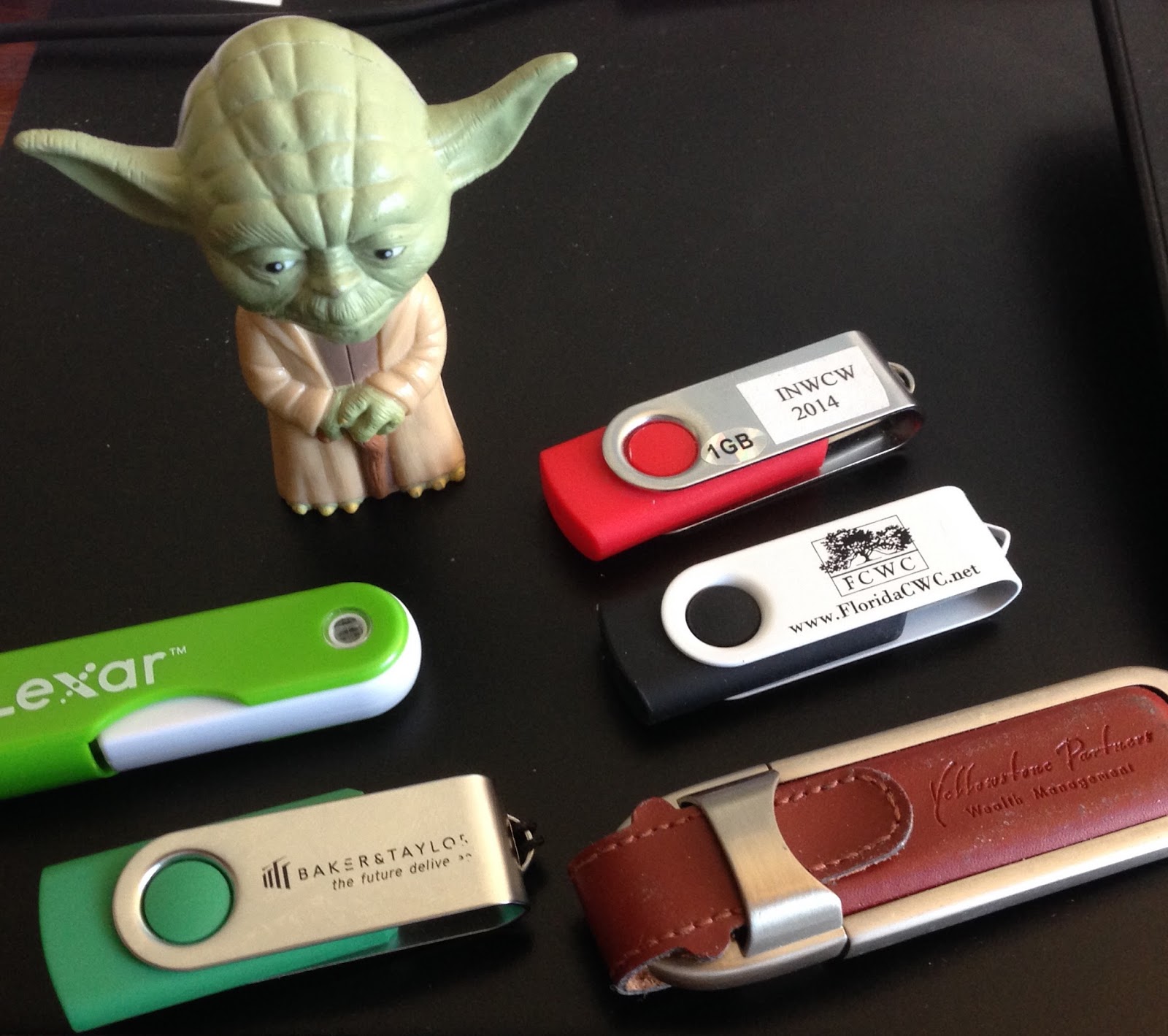
Through the years, I've collected a number of flash drives. Sometimes I will attend a writers' conference and all of the sessions (even those I miss) are sold on a flash drive. Often these flash drives will pile up in my desk drawer. How do I find the time to listen to this material?

In May I taught on the faculty and they offered the entire conference without cost. I know these audio files contain valuable teaching insights for every writer. The files came as an online download and I put them in a folder with the conference name on a flash drive. Because I used the flash drive, these files are portable and don't fill my main computer. 

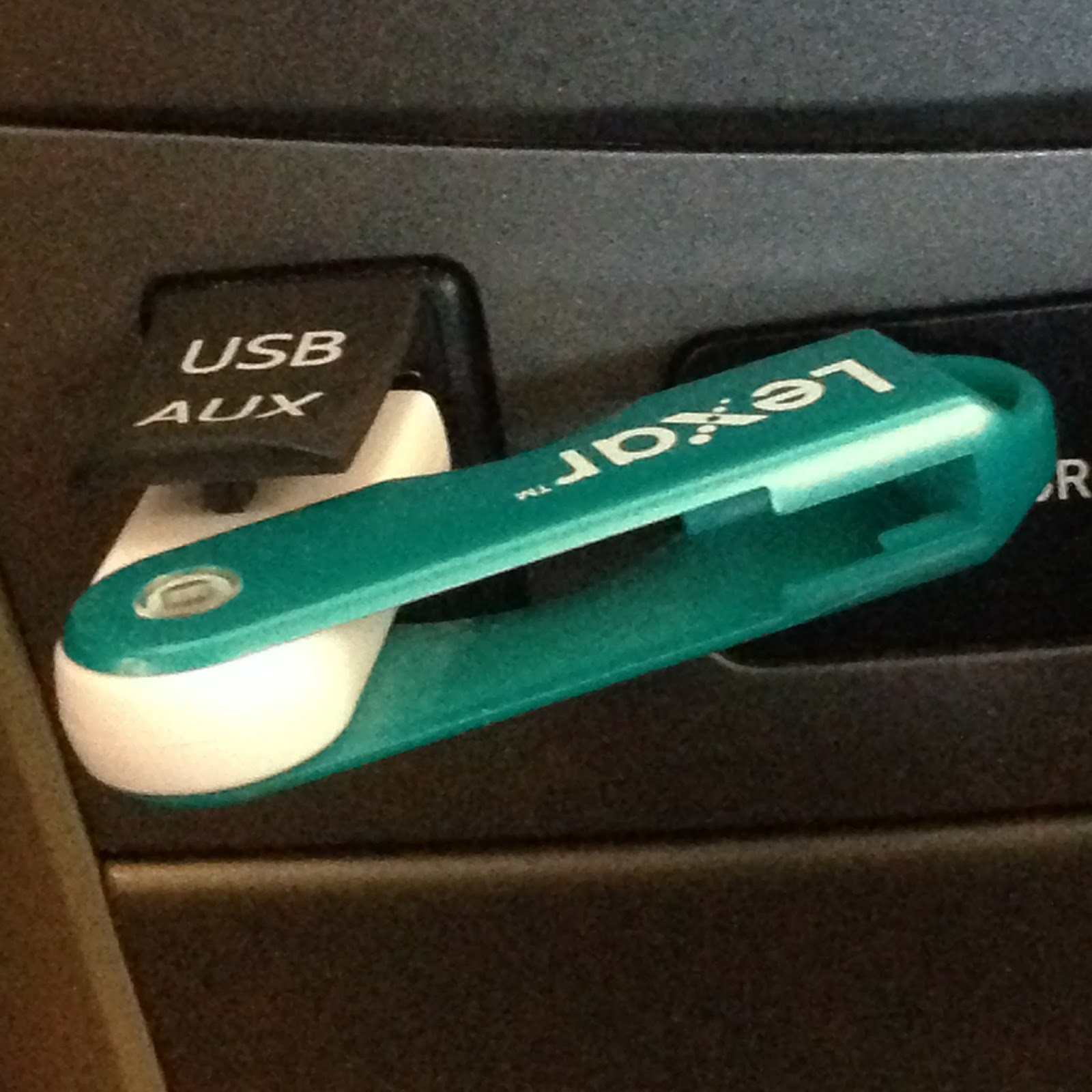
In the past, I've mentioned about using the Bluetooth feature of my car audio and listening to audio books. My car has a USB connection on the dashboard that until recently I had never used. With the flash drive which contained the audios from the writers' conference, I turned on my car and plugged it into the port.


Touching the “files” on my dashboard, I saw all of the audio MP3 files from the flash drive. Last weekend, I drove 45 minutes to an hour to a writers' meeting in Colorado Springs.  Instead of listening to an audio book, I listened to several teaching files from the flash drive.

Steve Laube, founder of The Steve Laube Agency, taught a workshop titled, “Do I Need a Literary Agent?” While much of the information was familiar, I enjoyed hearing Steve's stories and insights on the audio file. My time in the car passed quickly and I was learning from my flash drive.


Also I heard another literary agent, David Van Diest, teach on the elements of a book proposal. While I have a bestselling book on this topic called Book Proposals That $ell, there is always more to learn on this subject from this seasoned publishing colleague. David has worked in marketing and other aspects inside publishers as well as run his own agency for many years.

To be honest, I have many more hours of teaching to catch on these audio files. Instead of never hearing them or leaving them stuck in my desk, through using the flash drive, these files are actively on my car audio system. Whether I'm driving a long distance or only across town, I can grab a few more minutes of writing instruction.

Through this experience, I've been reminded of a simple principle: There Are Many Different Ways to Learn Information. Some of us learn best through reading. Others learn through actually doing while still others are audio learners. 

I'm glad I decided to explore how to use the USB port on my car dashboard. Now I have one more flexible way to learn in my car. Bestselling author Zig Ziglar recommended turning your car into a “rolling university.” 

You probably have some of these audio files on your computer. Can you transfer them to a flash drive then begin listening to this instruction in your car? Getting the information is the first step, then apply the information to your own writing life.

Tweetable:

Use Your Flash Drive to Increase Your Learning (ClickToTweet)

AddThis Social Bookmark Button

SocialTwist Tell-a-Friend

Labels: , , , , , , ,

____________________________________

Tuesday, June 21, 2016


Start To Get Your Writing Published


Where do you begin the process to get your writing published? Most people instantly think of books and want to have a book published. While I understand these thoughts, from my years in publishing books is not the first place to start.

At the recent Write to Publish Conference, I had a series of fifteen-minute back to back meetings with people who were attending the conference. One of my stand-out sessions was with a gray-haired cheery woman who immediately told me, “This is my first conference and I'm here to ask your advice. If you were just getting started in in the writing world, where would you begin?” What a thoughtful question!
“I would begin writing for print magazines,” I said. “It's a wide open opportunity for writers which is often forgotten. In particular, I would start with publications called Sunday School Take-home papers.” 

Almost every denomination has a variety of publications for different age groups. Within these papers, a common type of article is called the personal experience article. It's a story written in first person with a single point to the story (also called a take-away).

Here's several key points about this type of writing:

* Magazines reach more readers than books. It is a solid performance if a book sells 5,000 copies during the lifetime of the book sales. In contract, many magazines have a circulation of 100,000 or even 300,000. You definitely reach more readers with magazines.

* Magazine articles are shorter in length than books. Magazine articles have a short headline, a beginning, a middle and an ending (all good skills for any writer to learn on the short form). A typical book has  50,000 or 100,000 words where magazine articles range from 500 words to 1500 words in length so are easier to finish and get into the market.

* Magazines are a great place to learn to write for a target audience. Each magazine has a distinct reader or audience—just as your books will be targeted to a particular reader.

* Magazine articles get published quicker than books. In general magazines have a three to six month turnaround from publication acceptance to getting into print. Many book publishers are 18 to 24 months out from when you deliver your manuscript and the book is released into the bookstore.

* Editors and literary agents read magazines looking for writers. These publishing professionals are looking for writers who have experience in publishing (which you gain from writing for magazines).

I encourage you to check out the writer's guidelines for the particular publication. Many of these guidelines are online so use Google to find them.  The writing is fun and anyone can do it.  Almost every publication uses personal experience articles. Each of us have unique and interesting experiences which can be the backbone of these articles and you can write. A personal experience article is an excellent place to begin writing for magazines.

If you want to know more details about writing for magazines, I encourage you to explore this link where I give the basics of writing for a magazine. This type of publishing is great exposure and helps you build your platform and publishing credentials with editors. In fact, it is good for any writer at any place in the publishing journey. As I write these words (even as much material as I have published), it spurs me to write a few query letters and articles for magazines. If you don't submit the articles or ideas to an editor, it will never happen.

What magazine will you target today for your writing?

Tweetable:

Read this article to learn the Best Way for Anyone to get published. (ClickToTweet)


AddThis Social Bookmark Button

SocialTwist Tell-a-Friend

Labels: , , , , , , , ,

____________________________________

Tuesday, May 31, 2016


Why You Must Follow-up


These words could change the course of your writing career—if you take action and follow-up. I know this is a bold statement but I want to explain why I'm saying it.

During a writers' conference, I meet with many different writers. I listen to their ideas (pitches), read some of their work and then respond saying something like, “I love this idea and concept. Please send it to me.”

At this point in the process, we exchange business cards and I tell the writer to send the proposal or partial manuscript or all of the manuscript to my work email address as an attachment. The writer will frequently circle my email and make a note on their business card. If they have an extra hard copy, I will take this document home with me. Why? So I can follow-up our conversation with an email (and sometimes a phone call).

If you respond to this request, then you will be among the few from the conference who take such action. I understand the challenges of life. You return home from the event and plunge into your family and life. All sorts of things pull at your attention and prevent you from sending the requested manuscript.

Several of the people I met with gave me flash drives with their submission. Even during the conference, I used these flash drives and put their work into our internal system at Morgan James Publishing. Later this week those writers will receive a letter of acknowledgement in the mail (part of our unusual practice at Morgan James). To be honest, it does not mean they will receive a contract from the publisher or be published with the company since there are still a number of other steps to go before that happens. But they have taken a huge step in the right direction.

We work with people that we know, like and trust. This principle is a basic of sound business. It's true that we receive thousands of submissions and only publish about 150 books a year yet even with the mounds of material to examine, I am always looking for solid authors to publish.

Over the next few days, I will be creating and sending follow-up emails to the people who gave me promising proposals and submissions and exchanges. I follow-up to encourage the writer to take action and send me their submission. When they send the requested material (electronically) then they will keep moving forward in the process and possibly get their book published. It never happens if they do not follow-up and take action.

Years ago my first book was published after a conversation with an editor during a writers' conference. She encouraged my pitch and asked me to send my manuscript to her. I made a note about it, went home, wrote the manuscript and sent it. There were many more steps in the process before my book was published but the ball began rolling from my follow-up action.

Sometimes authors will follow-up with me many months after my request. That is OK with me because eventually they took action. I'm always eager to read their material and keep it moving in the process.

What follow-up work do you need to do with your writing? It might be a short email to an editor or literary agent? Maybe you've sent something and never got a response. Did they receive it? You must follow-up. Each of us as professionals have many things in motion. Your follow-up work is critical to the process and why you must follow-up.

Tweetable:

Why you must follow-up. Here's some insights from a much-published editor. (ClickToTweet)


AddThis Social Bookmark Button
SocialTwist Tell-a-Friend

Labels: , , , , , ,

____________________________________

Wednesday, January 13, 2016


Five Ways to Boost Your Writing To A New Level


It's hard for every writer to begin and it takes work for every writer to move to a new level with their writing. I've been pouring words into stories since I was in high school and have had a lot of practice—yet I continue to learn new aspects of the publishing world.

Late one night at a writers' conference, I was sitting with several much published writers listening to their stories. At that point in my career, I had published only a few magazine articles. These writers discussed how each of them has huge doubts and fears every time they begin a new book. I found their honesty encouraging. It is like the actors or public speakers who admit to getting nervous or butterflies right before they walk on the stage. Such feelings are a part of life and these professionals have learned to acknowledge these feelings, accept them and yet move past them to produce excellent work.

If you want to move your writing to a new level of excellence, here's five ways to boost your writing. I encourage you to do as many of these ways as you can in the days ahead. If you take action, then in a few months your writing will be at a new place in the market.

1. Attend a Writers' Conference (cost: varies)

Published authors agree the step which propelled their writing life is attending a writer's conference. If you have never been to a conference, now is the time to plan to attend a conference. I'm going to be speaking at several conferences in the coming months (use this link to learn more details). There are many excellent conferences. Prepare ahead of time and this action will broaden your connections to editors and agents—but also give you key insights into your own writing life. Attend the workshops, take notes and follow the teaching. Also meet one-on-one with different editors and agents, then follow their suggestions and submit your material to them.

2. Read a Book on the Writing Craft Every Month (cost: free or low)

Whether you write fiction or nonfiction or have never written, I encourage you to intentionally read books about the craft of writing.  I have shelves of these books that I have read but you don't have to purchase them. Get them from your local library. I've written a couple of these books like Book Proposals That Sell or Jumpstart Your Publishing Dreams. Weave these books into your reading plans then take action on what you learn—apply it to the writing and marketing of your books.

3. Take an online course (cost: varies)

There are many possibilities in this area. Bestselling author Jerry B. Jenkins has launched a FREE three lesson course course. Or another alternative is listening to a number of my free teleseminars on different topics like blogging or book reviews or dealing with the media or special market sales. Also you can take my Write a Book Proposal course.  Finally for this method, you can use my Simple Membership System to create your own membership course. 

4. Read blog posts from respected leaders (cost: free)

A number of literary agents and well-known editors have created blogs. Look for their subscription button on the site and sign up. The updates will come to your email box and you can read them and learn from their expertise. To get you started, here's a new list of the Top 100 Writing Blogs for Authors and Bloggers. Notice how I qualify who you read. Select people with experience and follow their guidance instead of “so-called experts” who when you look at their credentials have published less than five books. I include this reality check to make sure you are taking teaching from real experts.

5. Follow my twitter feed and read the articles in it (cost: free)

At this writing, I've been on twitter since 2009 and tweeted over 28,000 times (almost every hour throughout every day). I'm committed to reading and telling my followers about solid teaching information in the publishing and writing area.  As you follow this information stream, it is a terrific education to help you take your writing to a new level of excellence.

Follow the links and advice in this post and you will take your writing to a new level. It is critical that you do more than read and absorb new information.  It's great to learn but in addition to learning, you need to take action and incorporate what you learn into your daily actions. If I can help you in this journey, don't hesitate to reach out to me. My personal email is in my twitter profile. You can boost your writing with these active steps.

Tweetable:
Use these five suggestions to boost your writing to a new level. (Click to Tweet)


AddThis Social Bookmark Button
SocialTwist Tell-a-Friend


Labels: , , , , , , , , , , ,