____________________________________

Sunday, August 07, 2022


How To Fill Your Empty Calendar


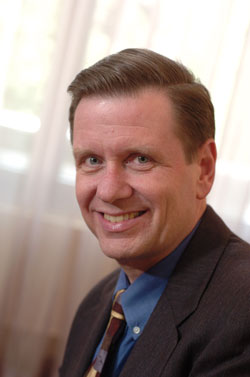
By Terry Whalin @terrywhalin

Like most freelance writers, I have an empty calendar for many days. How do I fill that schedule with productive activity that moves me forward toward my goals? In this article and no matter what you write, I want to give you some ideas about how to fill those blank and empty periods.
 
1. Determine what you want to write or achieve. Do you want to publish in magazines? Do you want to do more speaking? Do you want to write books for others? Do you want to learn about how to write screenplays or do effective Facebook ads? There are many opportunities and you have to determine which one is where you want to go. If you are looking for a list of writing possibilities, then download the first chapter of my book, Jumpstart Your Publishing Dreams. Use this download link (no optin). 
 
2. Focus your planning and energy toward consistent effort to this goal. To achieve it, what do you need to learn? Who do you need to connect with? How can you build those relationships? It will not be overnight but you have to consistently make the effort to achieve this goal.
 
3. As you get responses, fill your calendar with scheduled phone calls or meetings to build your relationships. As I've mentioned in the past on these articles, who you know is just as important as what you know. Your connections can be invaluable in reaching your publishing goals.
 
I don't expect this process to be easy or simple and know will involve hard work and continued effort. Here's what I have learned from decades in this business, if you do the work, you will eventually achieve the results. I recently listened to Darren Hardy's The Compound Effect about where you can achieve big results from making incremental changes. There is a payoff for making these changes with consistency.
 
As I put together my calendar, balance is a key component. I'm not perfect at it but overall there is a mixture between current work, optional work, planning ahead for future work and consistent learning and growth.
 
For this process, I don't use a paper calendar. Instead I keep dates and appointments on my electronic calendar. I made this switch several years ago and it has been a good one because in general I have my phone with me and can keep up with my variety of deadlines.
 
My Personal Philosophy
 
For a number of years, I've been an early riser with no alarm clock. Yes, if I have to get up at 3 am (which happens sometimes to catch an early flight), I use my alarm but otherwise I don't. For me every day is a gift and we are charged to use that gift wisely—whether it be a regular work day or a holiday or the weekends. I have many different activities which fill my day. Some of them are on my calendar as appointments but others are just work activities that I want to get finished. Some of those activities relate to current work while others relate to future work. Some activities are something new that I'm learning. Others are consistent ways I spread the news to others about my work and effort such as marketing efforts. I'm often in a routine which I've created but I consciously work at changing up that routine so it is different and not boring. I believe each of us have a lot to accomplish in a given day—if we celebrate and seize the opportunity.
 
How do you fill your empty calendar? What steps or ideas can you add to what I've said? Let me know in the comments below.
 

Labels: , , , , , , , , , ,

____________________________________

Thursday, November 06, 2008


Boost Your Writing Productivity

Each of us have the same number of hours in our day but some people seem to use them much better than others. Last night I finished reading a book from my friend, Bob Bly which came out earlier this year, Getting Started As A Freelance Writer. A prolific writer, Bob and I have been friends for many years.

In April, we were together in New York City and he gave me a copy of Getting Started As A Freelance Writer. I brought the book home and put it on my shelf as a book that I'd like to read--but I did not do it right away. Why? I believe it is the title for this book. I've been writing for over 20 years and I wondered if I needed to read a book about how to "get started."

What I discovered is a book which overdelivers and is much more than it appears on the surface. Many people want to know how to begin the journey of a freelance writer. To learn a new skill like freelancing, you are wise to follow someone who has "been there." Bob Bly writes with authority and wisdom about the details of a freelance writing career.

Whether you are just starting out or have been in the writing business for a long time, you can gain vast insight from this book. The book covers the details of so many issues which concern writers like how to get properly compensated, how to concentrate on the main thing you want to do (write), how to run your writing career as a business (and all of the details), what are the range of possibilities for your writing and how do you grow your business.

In the introduction, Bob points out a key distinction of this book: "One thing that makes this book different from other "how to become a freelance writer" books on the market is the experience and financial success of the author." (page 2)

The information in Chapter 13: Maximizing Your Personal Productivity" is worth the cost of this entire book. Bob gives six keys (and the explanation in the book): Don't do everything yourself, don't shy away from the Internet, don't become addicted to Internet chat, don't get up, don't go out, and don't undervalue your time." (page 170-171). Also Bob includes nine ways to increase your personal productivity.

Getting Started As A Freelance Writer is packed with useful information for every writer--beginning or professional. I highly recommend you get this title and study every chapter. I highlighted and flagged a number of pages in this book as I read it cover to cover.

AddThis Social Bookmark Button

Labels: , ,

____________________________________

Thursday, October 23, 2008


Find Your Own Writing Niche

Where do you fit in the writing world? How do you discover your particular niche? One of the best ways that I've discovered is to continually read yet be sensitive to looking for your niche. Earlier this year, the second edition of Ready, Aim, Specialize!, Create Your Own Writing Specialty and MAKE MORE MONEY! by Kelly James-Enger was released. I read the first version of this book and reviewed it on Amazon. This week I dug into the second edition and love the principles and detailed information for every writer in it's pages. Whether you are beginning or advanced in your writing career I recommend you consider this book.

Why? Because even if you write fiction, you need to learn about the nonfiction market to help promote your book. Even if you spend most of your time trying to get your novel published, you need the exposure from the magazine world which is predominately nonfiction. You can learn this valuable skill in Ready, Aim, Specialize!, Create Your Own Writing Specialty and MAKE MORE MONEY!

Many writers flounder around trying many different areas of the market before they specialize and find their particular niche. Kelly James-Enger can help you cut down on the learning curve, evaluate your own background and discover your own place in today's market. Her seasoned counsel is priceless. Step-by-step she helps writers tackle the market and understand how to meet the editor's needs (and as a result their reader's needs) to succeed in publishing.

In the process, Kelly covers the top 10 hottest specialties. With each specialty, she gives you insider wisdom to succeed in these markets. More than writing for magazines, she provides the reader with a strategy and game plan to enter the full-time writing life. For example over on page 209, she writes about how specializing helps you build your "platform" (a much discussed word in the writing community). She writes, "Specializing in a subject helps you create a platform as you become an expert in your subject area. The other way to develop a platform is to become a celebrity of sorts, or to get as close to a celebrity as you can. Consider Dr. Phil McGraw. He was a moderately successful "life strategist" who became a household name after he started appearing on Oprah's daytime talk show. His own series soon followed, and now even his wife and son are best-selling authors."

When I read a writing how-to book, I want to turn to an expert--someone who had repeatedly succeeded in finding a specialization. Kelly is one of those writers. She knows about these different fields like health, diet, nutrition and fitness because she writes about them day in and day out. This book is loaded with tips and insight about breaking in then thriving in each specialty. You will want to read and re-read this book.

Most of this entry is the contents of my Amazon customer review. I tried to update it with a new date but Amazon preserved my original review date--even though I wrote it this week.

If you purchase this book and only read the final chapter, and then practically apply this information to your writing life, you will have received the full value (and more) from this book. Kelly gives practical advice for maximizing your freelance income and says, "If you want to boost your bottom line or simply work more efficiently, give these 15 strategies a try" (page 223--and my emphasis on the number of strategies). Just to give you a taste, here's several of these strategies without the important explanations: Negotiate for Higher Rates, Pitch Multiple Ideas, Come Up With Spin-Offs, Look Local and Forget The Muse.

If you haven't figured it out, I like this book and highly recommend it. Kelly knows her stuff and is a living active example of someone who helps others with these types of books.Go to her newsletter page and subscribe to her free publication. Every month I find great encouragement from this newsletter and I know you will as well.

AddThis Social Bookmark Button

Labels: , , ,